
Child Safety Regulatory Priority Program
Learn how the NSW Early Learning Commission's Child Safety Regulatory Priority Program is supporting the ECEC sector to embed child safe cultures, behaviours and practices.
14 April 2025
This article was updated on 22 May 2026.
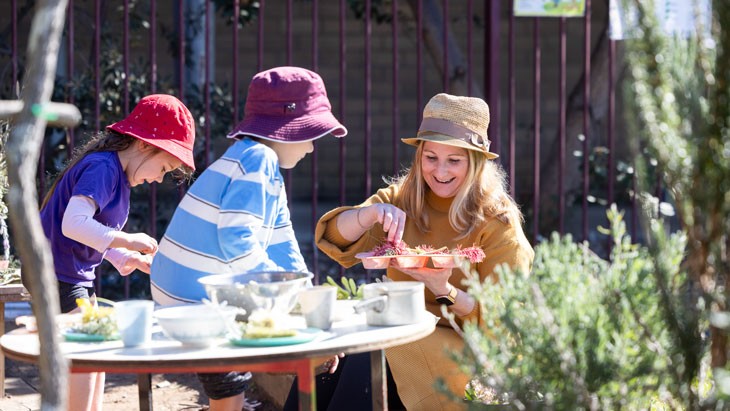
All staff in early childhood education and care (ECEC) play an important role in embedding child safe practice across their services. Under Section 3A of the National Law in NSW, they also have a legal obligation to place the rights and best interests of the child as the paramount consideration in every decision and action.
This responsibility extends to everyone involved in the operation and delivery of ECEC, including approved providers, service leaders, nominated supervisors, educators and the NSW Early Learning Commission itself. Across all roles and settings, the safety, rights and best interests of children must always come first.
The NSW Early Learning Commission is continuing the delivery of the Child Safety Regulatory Priority Program originally launched by theNSW Department of Education in 2025 in its former role as the NSW regulatory authority for the ECEC sector in NSW. The extension is designed to further support approved providers, services and educators to strengthen child safe practice and support to keep children safe and prevent harm and abuse.
About the Child Safety Regulatory Priority Program
Since May 2025, the Child Safety Regulatory Priority Program has focused on supporting providers, service leaders and educators to embed child safe culture, behaviours and practices in ECEC services, and compliance with child safety regulatory requirements.
The regulatory priority program:
- provides extensive information, guidance and resources to the sector on child safety
- spotlights key practice areas associated with child safety in ECEC settings
- uplifts and embeds quality practices for the safety, health and wellbeing of children.
Child safety resources and guidance will be shared with the sector through the Commission's communications channels including emails, newsletters, Facebook posts and events.
Monitoring and evaluation
A key component of the regulatory priority program is the regular monitoring and evaluation of services’ child safe practices.
As part of ongoing monitoring and compliance activities, authorised officers from the NSW Early Learning Commission will pay close attention to a service’s child safety policies, procedures and practices. This aims to ensure compliance with the National Law and Regulations and to provide services with targeted feedback and guidance around areas for improvement to protect the health, safety and wellbeing of children in their care.
Key priority themes
Child safety is a broad topic that covers many practice areas. The Child Safety Regulatory Priority Program focuses on the following priority themes key to building a safe environment in ECEC and protecting children from harm and abuse.
2025
Staffing and supervision are essential components of ensuring children are safe in ECEC. This theme focuses on robust child safe recruitment and induction processes to ensure all staff in ECEC are suitable to work with children and understand their roles in keeping children safe.
It also highlights the importance of maintaining adequate supervision at all times, and how supervision requirements and educator-to-child ratios work together to create environments that focus on the needs, safety and wellbeing of children.
Upholding a strong reporting culture is critical to safeguarding children. Additionally, it is against the law to fail to report child abuse.
This theme focuses on the responsibility all staff in ECEC services have to report allegations of abuse and what to do if they witness or suspect that a child is at risk of abuse, harm, neglect or ill-treatment.
It covers child protection awareness, ensuring staff can identify signs of grooming or harmful behaviours exhibited towards children. It also focuses on the importance of having clear policies and procedures in place.
Safe physical environments are critical to protecting children from harm and ensuring their wellbeing in ECEC.
This theme looks at the importance of having premises and spaces that support adequate supervision and offer clear lines of sight at all times.
It also looks at the importance of effective risk management policies and procedures to identify and address potential hazards throughout the ECEC spaces, including in family day care services. Having effective risk management processes and practices in place reduce the likelihood of children being harmed or abused. By focusing on this theme, the program aims to increase ECEC services’ compliance in risk management and supervision practice.
Building positive and respectful relationship with children is a key step in ensuring they feel safe.
This theme focuses on fostering supportive interactions with children and creating and maintaining environments where they feel safe, valued, understood and supported to learn. It emphasises the importance of using trauma-informed practices to recognise and respond to the emotional needs of children.
Theme 4 also aims to build awareness about appropriate interactions with children and what is considered an offence of inappropriate discipline under the National Law.
Creating child safe online environments is a key aspect of protecting children in the digital world. This theme focuses on promoting a child safe culture when it comes to taking, sharing and storing images or videos of children in ECEC settings, referencing the National Model Code. It aims to build awareness among educators and service providers about the potential risks and responsibilities involved in using digital media around children and provide services with regulatory knowledge and practical guidance on implementing a safe online environment for children.
2026
Reforms continue to be introduced and implemented at both the national and state level to strengthen safety in ECEC. The extension of the Child Safety Regulatory Priority Program in 2026 will support the sector to understand recent child safety reforms in the following practice areas and meet their legislative obligations in day-to-day practice.
Legislative requirements relating to child safe recruitment and employment in NSW require approved providers to embed robust child safe practices across the full employee lifecycle. This includes ensuring that their staffing policies and procedures clearly set out how services will attract, recruit, onboard and continuously support staff in a way that prioritises children’s safety and wellbeing.
This theme will support the sector to understand these reforms in a practical and consistent way, reinforcing that child safety is not a one-off check at recruitment, but an ongoing responsibility throughout employment. It will build capability across services to strengthen systems, reduce risk and ensure all staff are suitable and supported to uphold the rights and best interests of children. It will have a key focus on:
- developing a child safe recruitment policy
- record keeping
- the responsibilities of recruitment agencies in implementing robust child safe recruitment practices
- child safe onboarding practices
- child safety training and child protection training requirements in NSW
- legislative requirements relating to recruitment and employment practices.
Legislative requirements relating to child safe environments in NSW require approved providers to specifically address key elements of how they will provide a child safe environment in their documented policies and procedures. This includes clear reporting steps and responsibilities, and ensuring staff are familiar with and can easily access the NSW Early Learning Commission’s reporting decision tree (currently referred to as the reporting guide).
This theme will build on earlier guidance from Reporting culture, and will focus on capability, confidence and consistency in recognising and responding to concerns. It aims to support approved providers, service leaders and service staff to move beyond awareness to action – ensuring they know what to look out for, what to do and feel supported to speak up. This will included guidance on:
- recognising and reporting grooming behaviours
- uplifting understanding around whistleblower protections
- legislative requirements relating to inappropriate conduct
- trauma-informed responses.
This theme will build on guidance provided in the Staffing and supervision theme, with a stronger focus on how effective supervision is applied in practice across different environments and scenarios. It will provide practical advice to support services to identify risks, make informed decisions and strengthen their supervision practices in a way that prioritises children’s safety at all times. This will include specific guidance on:
- family day care environment, recognising the unique risks of home-based settings
- maintaining clear lines of sight
- the link between ratios and supervision
- physical environment security and unaccounted for children
- high risk activities such as transitions
- developing and updating risk assessments
- rostering for children’s safety
- guidance on single educator models.
Useful resources and support
A suite of resources are available to support services to understand and comply with the requirements of the Child Safe Standards. This includes Child Safe Early Childhood Education and Care e-learning modules with different pathways for centre-based services (such as long day care and preschools), outside school hours care and family day care.
Services are encouraged to engage with the modules as part of their professional development and training.
Guidance and resources will be promoted through the Commission’s communication channels, including its regular sector newsletters. These newsletters are sent to all early childhood education and care (ECEC) services, approved providers and nominated supervisor email contacts listed in NQA ITS. If you do not receive sector updates from the Commission but wish to do so, you can subscribe here.
More information
- Understand your obligations under the different areas of child safety.
- Download the Guide to the Child Safe Standards for early childhood education and care and outside school hours care services (PDF 7.5MB).
- Learn more about the regulatory requirements relating to child safety on our providing a child safe environments page.
- Access resources to inform child safe practices in ECEC.
- Learn about current and upcoming child safety reforms.
- NSW Early Learning Commission
News
-
Compliance focus – child safe environments
-
Embedding child safety into staff onboarding and induction
-
Greystanes Hilltop Childcare Centre suspended immediately due to ongoing non-compliance
-
Narrabeen North outside school hours care service suspended
-
Developing and maintaining a strong reporting culture