
Cattle – environment
Housing requirements for cattle.
Fences, gateways, gates and all facilities used to secure cattle must be constructed and maintained to reduce the risk of injury and attack by predators.
Cattle may be housed or kept in intensive conditions provided the following conditions are met:
- A minimum of 9 square metres per animal of space must be provided
- The diet composition and quantities of feed must be recorded
- Concrete flooring must be covered by an appropriate depth of bedding material to avoid hoof and leg problems
- Faeces and urine accumulations must be removed daily
- Normal diurnal pattern of lighting must be provided
- Opportunities for appropriate exercise must be provided
- Air must be of acceptable quality with respect to dust, chemicals and smells
- All cattle must be observed standing and moving during daily inspections.
Housing cattle
Cattle are grazing animals that require exercise, light and fresh air for optimum health. It is preferable that cattle are maintained in paddocks. However, it is acceptable that cattle are kept in smaller yards, pens and at times indoors provided that this housing is for a limited time. This more intensive housing may be for feeding of a particular ration, during showing and show preparation, for security reasons or for convalescence.
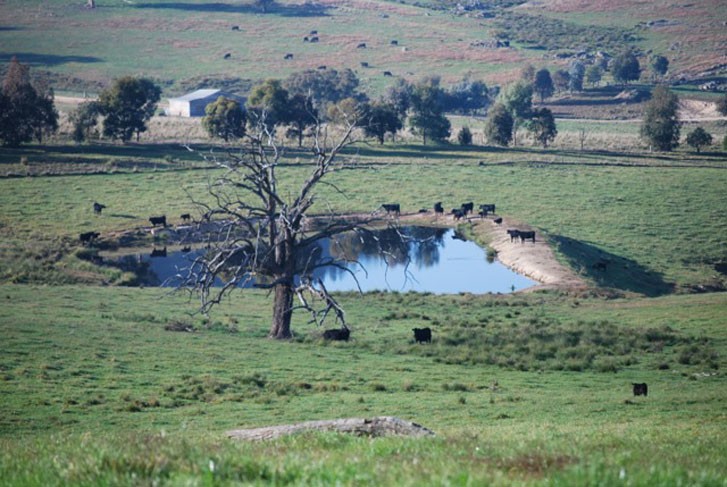
Cattle kept in more intensive conditions
When cattle are kept in more intensive conditions, additional monitoring and care must be provided.
When cattle are kept in more intensive the conditions, a greater heat load is created. Initially as the heat load increases, cattle will reduce their feed intake and therefore their production. With severe or prolonged elevations in body temperature, tissue organ damage can result and can result in death.
It is important and highly recommended that cattle kept in intensive conditions are provided with access to shade. The shade can be provided by trees or built structures and should allow for good air flow. Current research has demonstrated the welfare benefits as well as production benefits of providing shade for animals kept in intensive conditions such as feedlots or in schools when being prepared for competition. Additional information can be found at the ALFA shade resource hub.
Wet weather
When periods of wet weather occur, problems can arise from animals standing in mud and boggy ground, without a dry area to rest and lie down. Animals need to be provided with a dry area large enough for all animals in the pen to be able to lie down simultaneously. This may be created by a concrete pad, an area of higher ground or access to a covered area with dry flooring.
Tethering
Tethering is not acceptable as a routine husbandry practice. Where animals are tied to restrain them at shows, they must be accustomed to the practice and be given adequate exercise each day.
Last modified date
26/03/2026
Business unit contact email
Executive director
Megan Kelly
Executive director’s business unit
Teaching Learning&Student Wellbeing