
Discover a career in early learning
Make a real difference in the lives of NSW’s children, families and communities. Learn about becoming an early learning professional today.
I am an Early Childhood teacher. I've been a teacher for 35 years in the profession, and I extremely passionate and I absolutely love this field.
For me, it's about being a part of a group and being a part of a community that raises a child, and that for me is so rewarding. Yes, there's challenges. Yes, there's things that we don't like to do, but at the end of the day, I know that I'm making an impact on a child and family.
I like playing in the sand and playing with my friends in the mud kitchen and playing with all my friends again.
So I love seeing the trees and playing with my friends.
I feel really humbled when I make a difference to a child or a family. It makes me feel like part of their family and part of their world.
When a child shared with me or I noticed that they recognized all of their numbers, it hadn't been taught, like I hadn't sat down with them and taught them those, but they'd picked up on that through their learning here, which was really amazing.
Play-based learning is the definition of what we do, but when you see it in practice, it's something completely different. It's every day, everything happening, everything they're learning. It's very dynamic. We wear a lot of hats every day, doing things like nurturing and caring for children, but also educating them and helping them grow into who they are.
The center's worked really hard at developing their sense of cultural awareness, so we bring in a lot of culture into our play areas.
I like making a difference. Early childhood is so important. The first five years of life is so important and it's such a important job to nurture and teach these children to go off into the world and be confident and capable.
I love my work because every day is different with the children. I drive home of an afternoon and reflect on the day, and it just brings a smile to my face because I know, I am making a difference with young children. I would recommend Early Childhood for anyone.
Why work in early childhood education and care?
There aren't many jobs that allow you to be part of giving a child the best start to life. Working in early learning offers many benefits, including:
helping children develop thinking, physical, and social skills through play
doing meaningful and rewarding work
finding flexible work options across NSW
having job security with chances to learn new skills and grow your career
setting children up for a lifetime of learning, health, and happiness.
A skilled and committed early learning workforce has a positive impact on children, families, and communities. New programs are making early learning more affordable and accessible, while creating more opportunities for early learning professionals to start and build their careers.
There has never been a better time to begin your career in early learning in NSW.
What is it like to work in early learning?
You will care for and educate children during their first five years, a crucial time for learning. Using play-based programs, you will help children understand the world and support their physical, social, emotional, and cognitive growth. You will also teach them important skills and values for life.
As an educator, you will work closely with families and carers to keep children healthy and safe. This involves building respectful relationships, supporting their wellbeing, and providing quality learning opportunities.
You will also collaborate with other staff members to deliver programs and grow professionally.
What roles are available in early learning?
There are different roles available in early childhood education services, depending on your experience, qualifications, skills and interests.
Early learning educators work directly with children. They either have or are studying for a Certificate III or Diploma in Early Childhood Education and Care (ECEC) approved by the Australian Children’s Education and Care Quality Authority (ACECQA).
Outside of School Hours Care (OOSH) is an important part of early learning in NSW. OOSH educators can have a Certificate III in OSHC or a Diploma in School Aged Education and Care.
Early childhood teachers have a degree, such as a Bachelor’s or Master’s in Early Childhood Education.
Today . . .
Faitala and Lilia are the eldest of 6 siblings. Faitala attends high school in Western Sydney. Like his sister, he’s an active member of the local Samoan community and enjoys working with children. He regularly leads Sunday School and volunteers as the assistant coach of his local under 8’s NRL team. He'll start his HSC next year and is considering going on to university, but it just doesn’t feel like the right fit right now.
His sister, Lilia, did a School-based Apprenticeship and Traineeship (SBAT) in Early Childhood Education and Care, and landed a job at a privately owned service straight after high school. She finds her work so rewarding that she has applied to undertake a Diploma in the new year. She has heard that the NSW Government is offering fee-free initiatives, so it makes sense to take advantage of this opportunity to upskill.
Following in Lilia's footsteps, Faitala decides to enrol in an SBAT pathway as the first step on his early learning career journey.
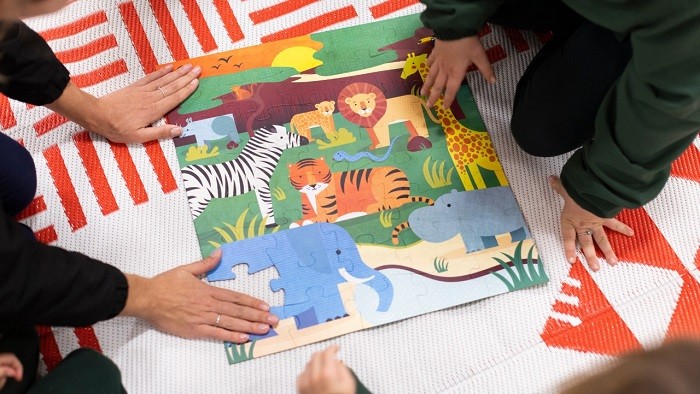
2 years from now . . .
Lilia loves her role at a long day care that services many of the children from her church community. She’s about to complete her Diploma in ECEC, which she studied for free through the local TAFE, which was registered with the Department of Education as a Smart & Skilled provider.
A friend told her about the ECEC VET Scholarships (Diploma in ECEC Scholarship Program Guidelines) also, on offer through the Department of Education, and she was successful in her application for $5,000 in financial support. She put the first $2,000 payment towards a laptop, so now she can do the online component of her course from anywhere. She plans to contribute the second instalment to her savings, so she can buy her first car and get to work more easily.
Faitala achieved great results in his SBAT and is awarded a Certificate III in Early Childhood Education and Care. He's still deciding on his long-term career goals and is taking a year off from study to work in the ECEC sector.
The SBAT allows Faitala to go to university whenever it feels right for him in the future, even though he didn’t get an ATAR. If he completes his Diploma through the VET sector like Lilia, he will be able to enter just about any undergraduate university program he likes, not just those related to early learning. While he takes his time to decide, he’ll get paid to provide meaningful, play-based learning to children in his community.
Today . . .
Jasmine has worked in retail since leaving school. The onset of the pandemic put the company employing her out of business. She hasn’t found any similar jobs in her area, so she decides to reskill in a different field. She’s always enjoyed spending time with children and would like to make a positive impact on young people’s lives.
While a teaching qualification is something she aspires to, Jasmine needs to work while she is studying. She decides to complete a Certificate III in ECEC through her local Registered Training Organisation (RTO), which allows her to work in a preschool in her neighbourhood. The ability to work while she is studying gives Jasmine a good work/life balance and allows her to progress her education at her own pace.
Jasmine applies for a Certificate III in ECEC VET Scholarship (Certificate III in ECEC scholarships) through the Department of Education. The first scholarship instalment of $1,000 boosts her wages while she is settling in with her new employer and negotiating consistent hours. Jasmine enjoys learning the practical and theoretical aspects of early childhood education and care and is excited to enter the sector when her studies are complete.
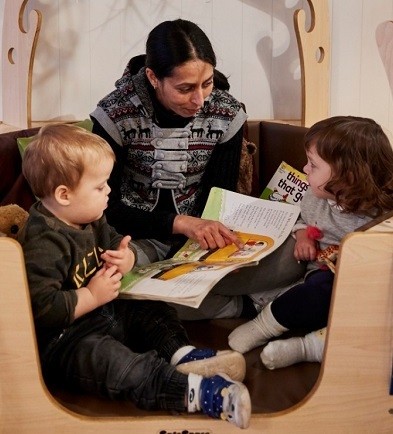
1 year later . . .
Jasmine completes her Certificate III and is offered part-time work at her local ECEC service. She receives the second instalment of her scholarship, which amounts to $2,000, which she puts towards supplies for her role.
Jasmine considers her long-term career options and thinks a move into family day care might offer more flexibility and opportunity to work with small groups of children. To give herself more options for career progression, she decides to return to her studies and work towards a Diploma in ECEC.
Today . . .
Amanda is taking a few years off from study after completing her HSC. Although she received an ATAR, she knows university is not right for her at this stage in her life. She would like to earn while she learns, so that she can move out of home and gain some independence.
After considering her options, Amanda settles on the idea of educating children. A Certificate III in ECEC is the perfect option for her, as she can work in the sector while she is studying, with her daily activities complementing what she is learning in her classes.
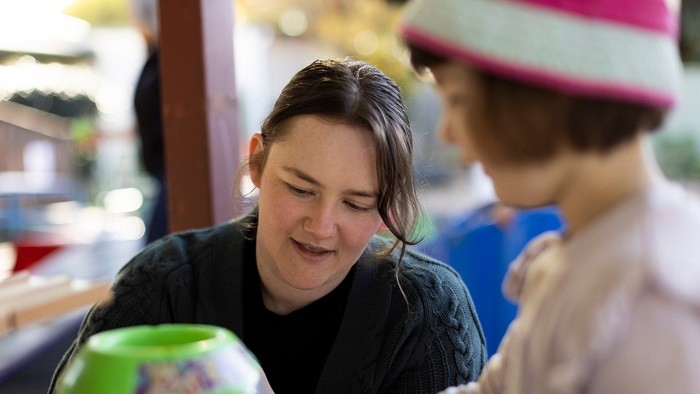
18 months from now . . .
After completing her Certificate III as a part-time student, Amanda enters the ECEC workforce as a room leader. Amanda’s partner, who works in the mining industry, gets a permanent job in Central NSW and she decides to join him. At first, she’s concerned that she’ll have trouble finding work in such a remote location but, because of her skills in ECEC, this isn’t a problem, and she finds a great role immediately.
She loves having a hands-on role that allows her to encourage and inspire the littlest learners of remote NSW and is now looking at options for career development. Next year she’ll start her Diploma qualification online and eventually she hopes to complete a bachelor's degree and open her own long day care service.
How to join the early childhood education and care sector
There are several ways you can begin a rewarding career in ECEC.
- For fee-free Certificate III and Diploma qualifications near you, go to NSW Skills ECEC and search your area. Training is fully funded by the NSW and Commonwealth governments.
- If you want to become an early childhood education teacher, explore bachelor and master’s degrees in NSW at Universities Admission Centre (UAC) and search for campuses near you.
- To encourage and inspire more dedicated and skilled workers to join the industry, the NSW Government offers the following school-based traineeships and scholarships.